

(LAGRANGE) - Fluctuating winter temperatures typically have little effect on insect populations, according to Jeff Burbrink, an Extension Educator for Agriculture and Natural Resources with Purdue Extension in LaGrange County.
Burbrink says insects are well adapted to survive winter conditions through two primary strategies known as freeze avoidance and freeze tolerance. Some insects avoid freezing by migrating or seeking shelter, while others can survive extreme cold by producing natural antifreeze compounds that protect their bodies at subzero temperatures.
Those compounds, called cryoprotectants, allow certain insects to tolerate temperatures as low as minus 20 degrees. Other species survive winter by overwintering in soil, where temperatures remain far more stable than the air. Burbrink says soil just a few inches below the surface can stay near 30 degrees even during severe cold snaps.
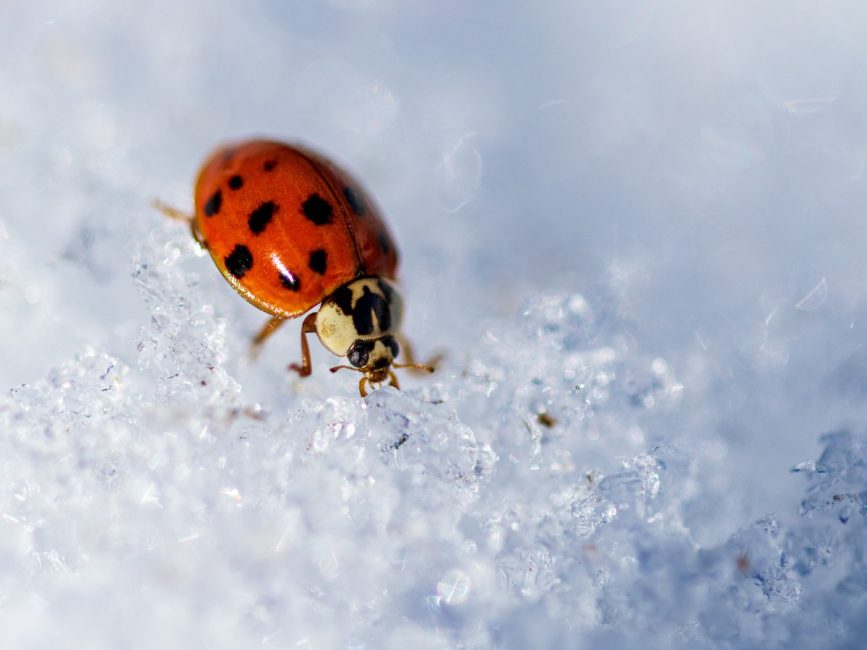
Insects such as stink bugs and lady beetles often seek shelter in buildings during winter. Burbrink says this behavior is part of their natural survival strategy, as they would normally use tree hollows or crevices for protection.
Some insects overwinter as eggs rather than larvae or adults, which can offer additional protection. Burbrink points to Midwest research showing little damage to insect eggs buried in soil even when air temperatures dropped to minus 30 degrees for extended periods.
Burbrink says insect populations are more strongly influenced by natural cycles, including predator populations, than by winter temperatures. He notes Japanese beetles as an example, with population levels rising and falling over time as predators adapt and respond.
While insects are generally resilient, Burbrink says rapid temperature swings pose a greater risk to perennial plants. Sudden drops of 40 to 50 degrees in a short time can stress trees and shrubs, particularly species such as Japanese maples, roses, and fruit trees. Damage often becomes visible in spring as twig dieback shortly after leaves emerge.