

(INDIANAPOLIS) - The Indiana Department of Natural Resources will hold a series of public meetings in January to outline proposed treatment plans aimed at controlling spongy moth infestations across parts of the state.
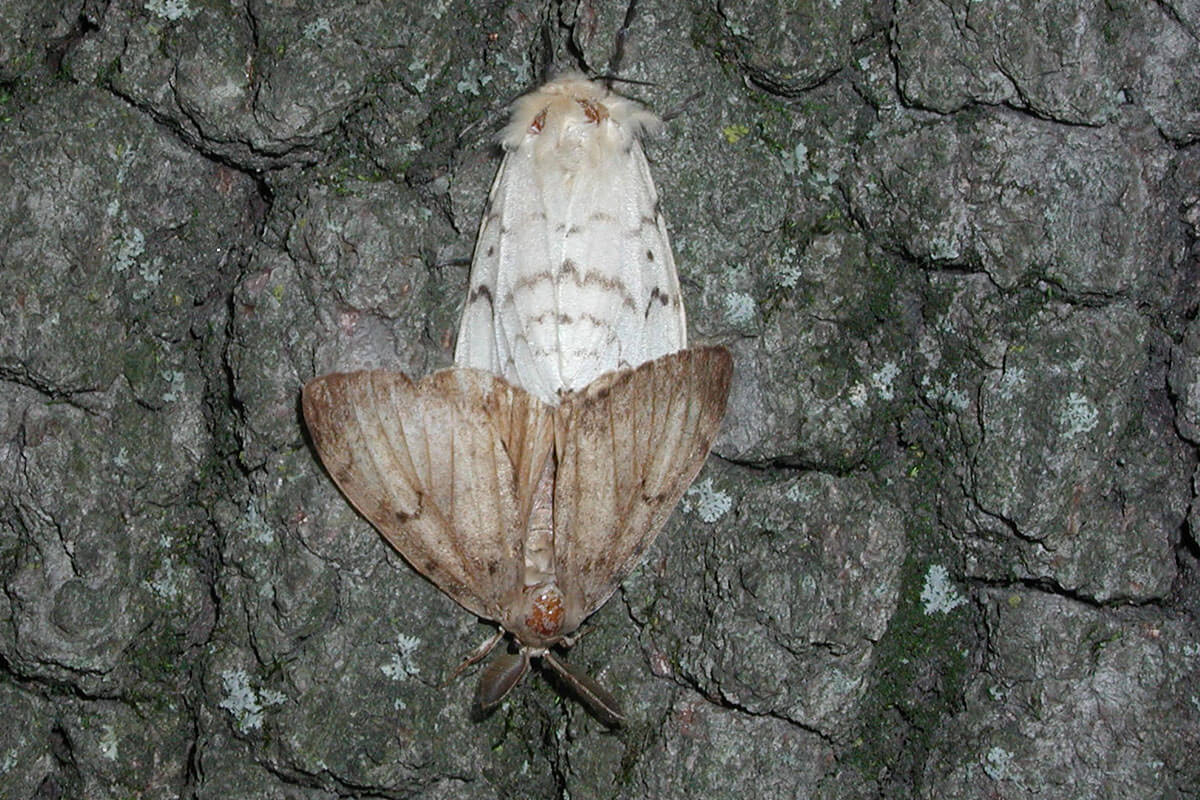
Spongy moths--an invasive insect species known for widespread tree defoliation and, in severe cases, tree death--continue to pose a threat to Indiana's forests and urban tree canopies. State officials say treatments proposed for 2026 are intended to slow the insect's spread and reduce long-term damage.
At the meetings, staff from the DNR's Division of Entomology & Plant Pathology will explain the spongy moth life cycle, the risks associated with infestations, and a range of management strategies under consideration. Residents will also have the opportunity to ask questions and provide feedback.
What Will Be Discussed
DNR officials plan to review several possible management options, including:
- Taking no action
- Mass trapping to reduce moth populations before mating
- Biological control through aerial application of Bacillus thuringiensis var. kurstaki (Btk), a naturally occurring bacteria that targets spongy moth larvae
- Mating disruption using pheromones to prevent reproduction
- Integrated pest management, which combines multiple control methods
How to Participate
The meetings will be held virtually via Zoom and are open to the public. While anyone may attend, DNR officials say the sessions will be especially relevant for residents living in or near areas identified as having spongy moth infestations and proposed treatment zones. Each meeting will cover the same information.
Maps showing proposed treatment locations for 2026 are available at on.IN.gov/spongymoth under "Proposed Treatment Locations for 2026," along with an interactive web map.
Those unable to attend a live meeting can review the presentation slides, frequently asked questions, and detailed maps online. The presentation will also be posted on YouTube via the Indiana DNR's channel, @idnrvideos, under the Webinars section.
Submitting Comments
Written public comments will be accepted through Friday, Feb. 27, at 4 p.m. ET. Comments may be mailed to:
Department of Natural Resources
Attn: Spongy Moth 2026
Division of Entomology & Plant Pathology
402 W. Washington St., Room W290
Indianapolis, IN 46204
Comments may also be emailed to DEPP@dnr.IN.gov.
For additional information, residents can call 1-866-NO-EXOTIC (663-9684) or contact their local county extension office at 1-888-EXT-INFO (1-888-398-4636).
More information and future updates are available at dnr.IN.gov.